

Decolonising Language of the Outdoors
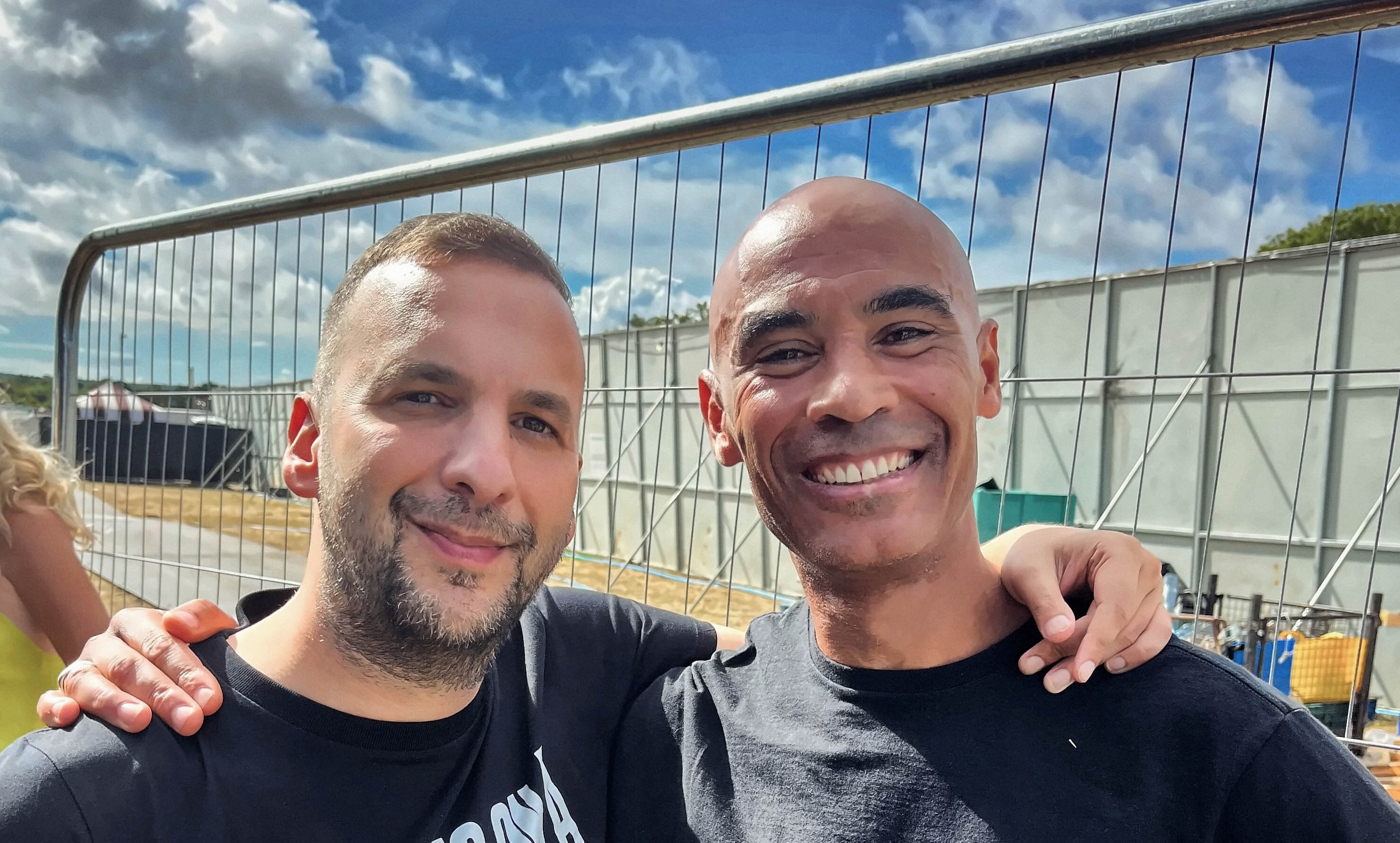
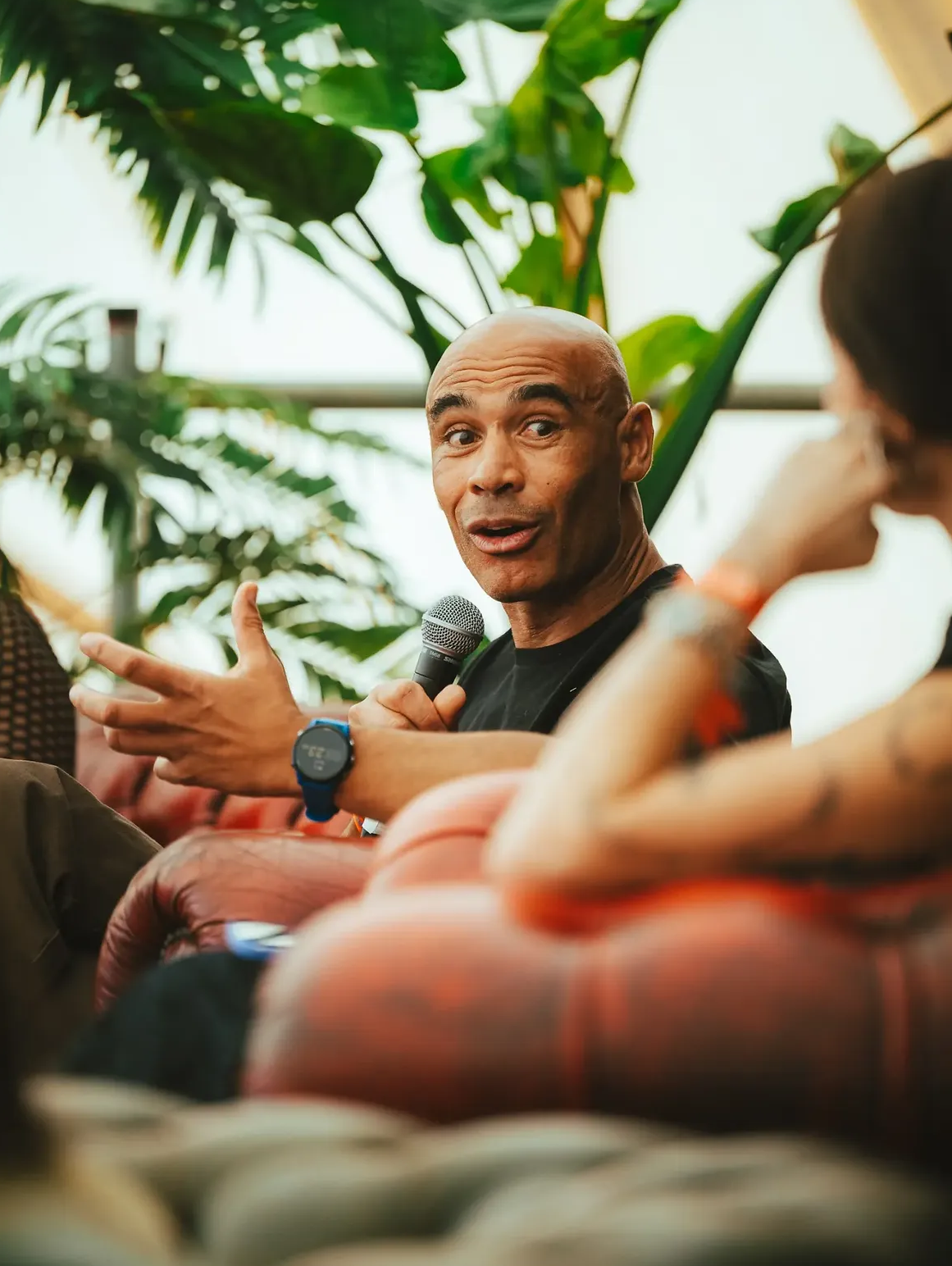
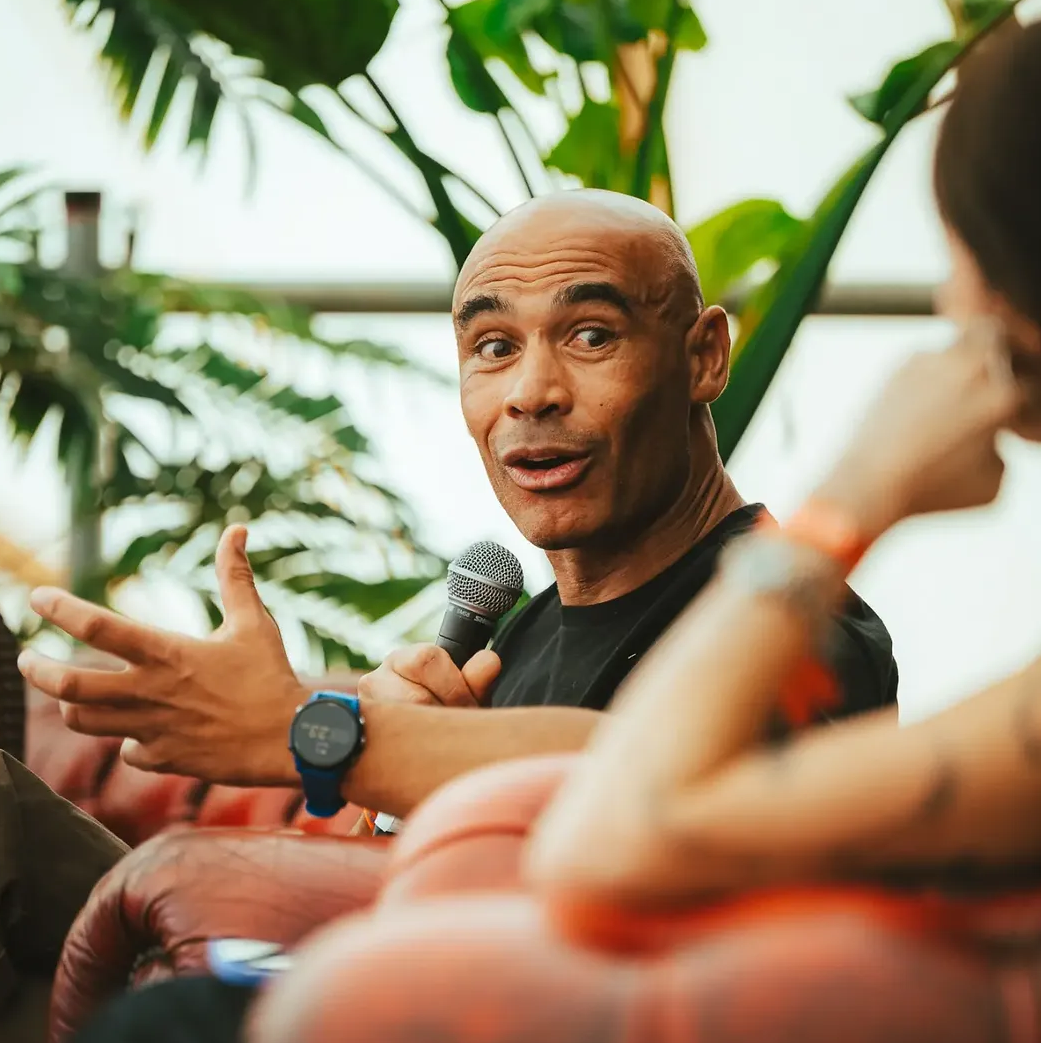
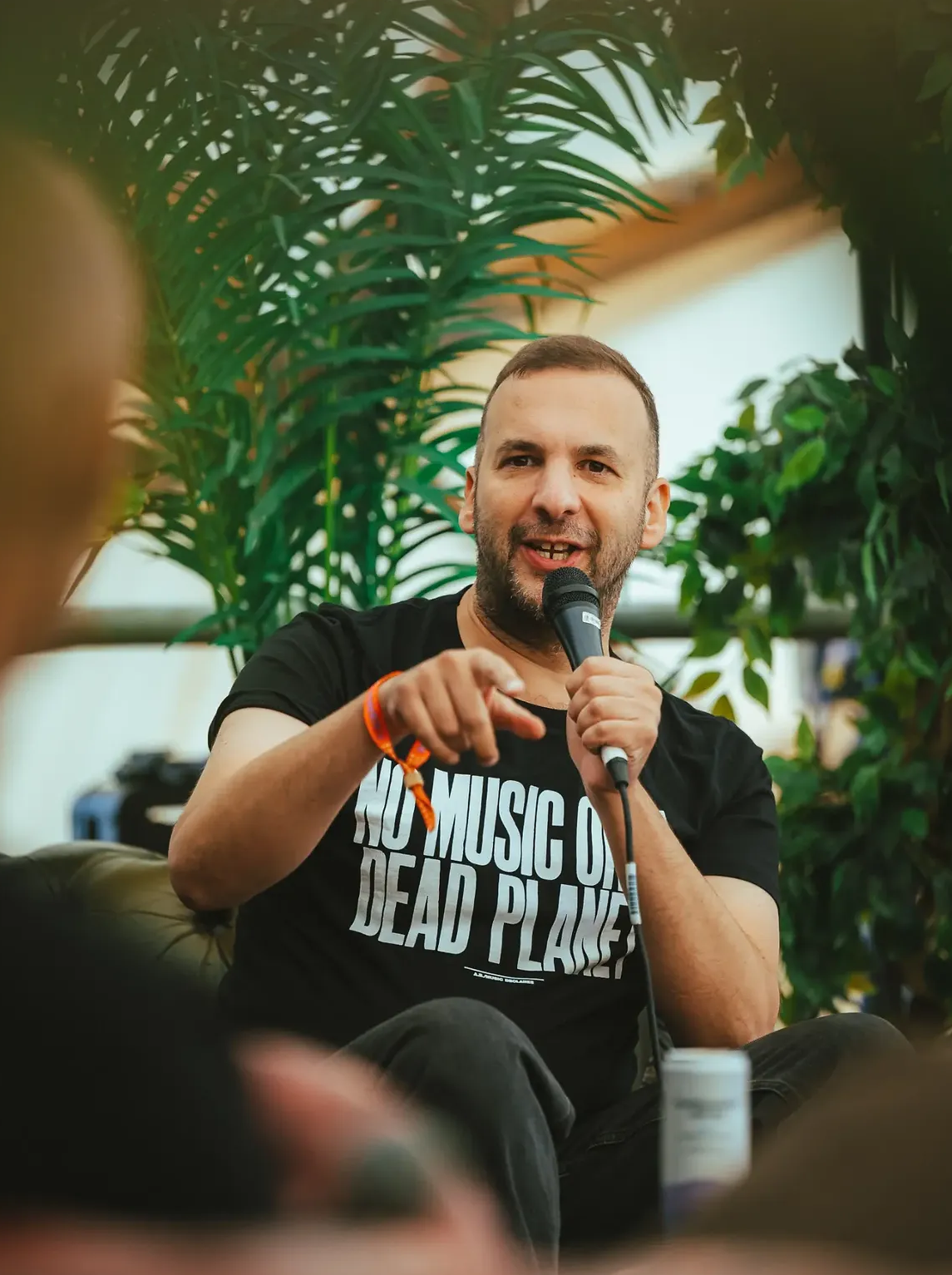
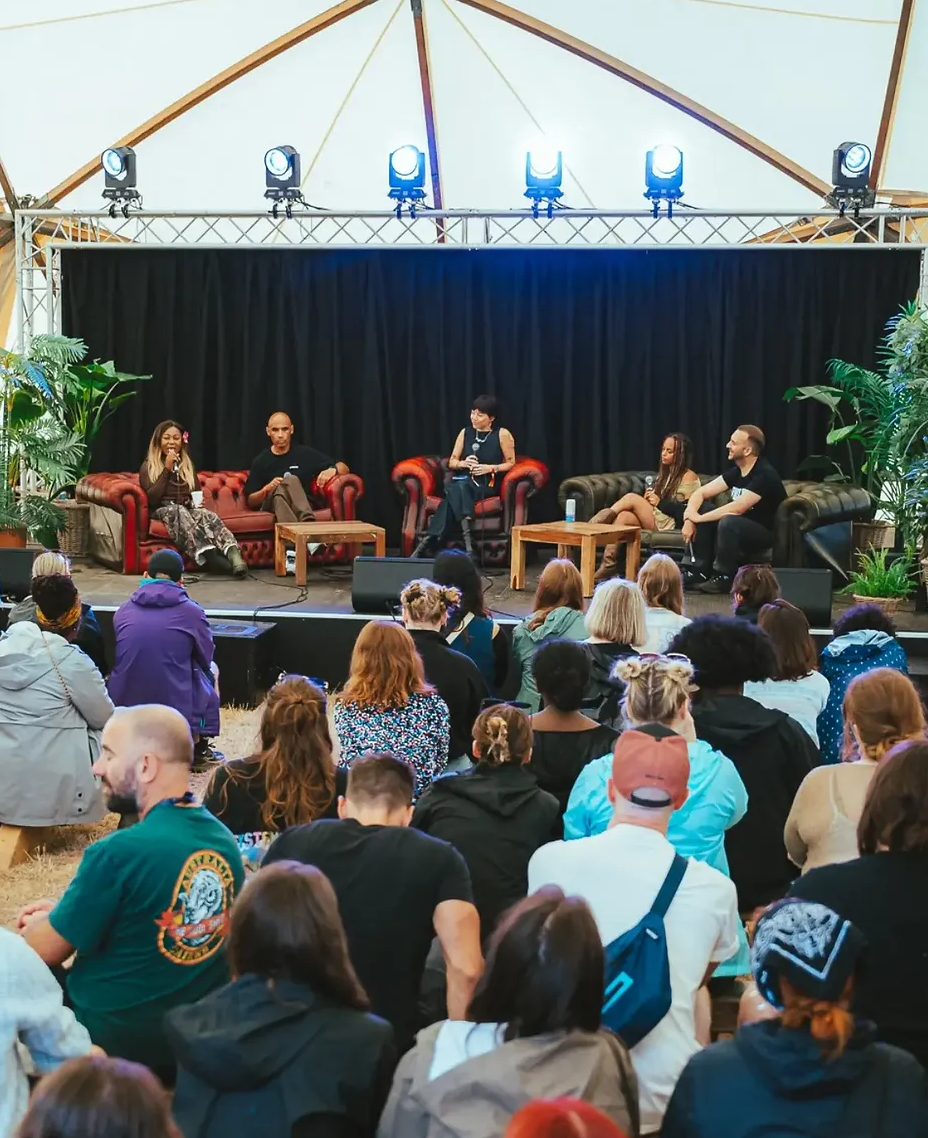
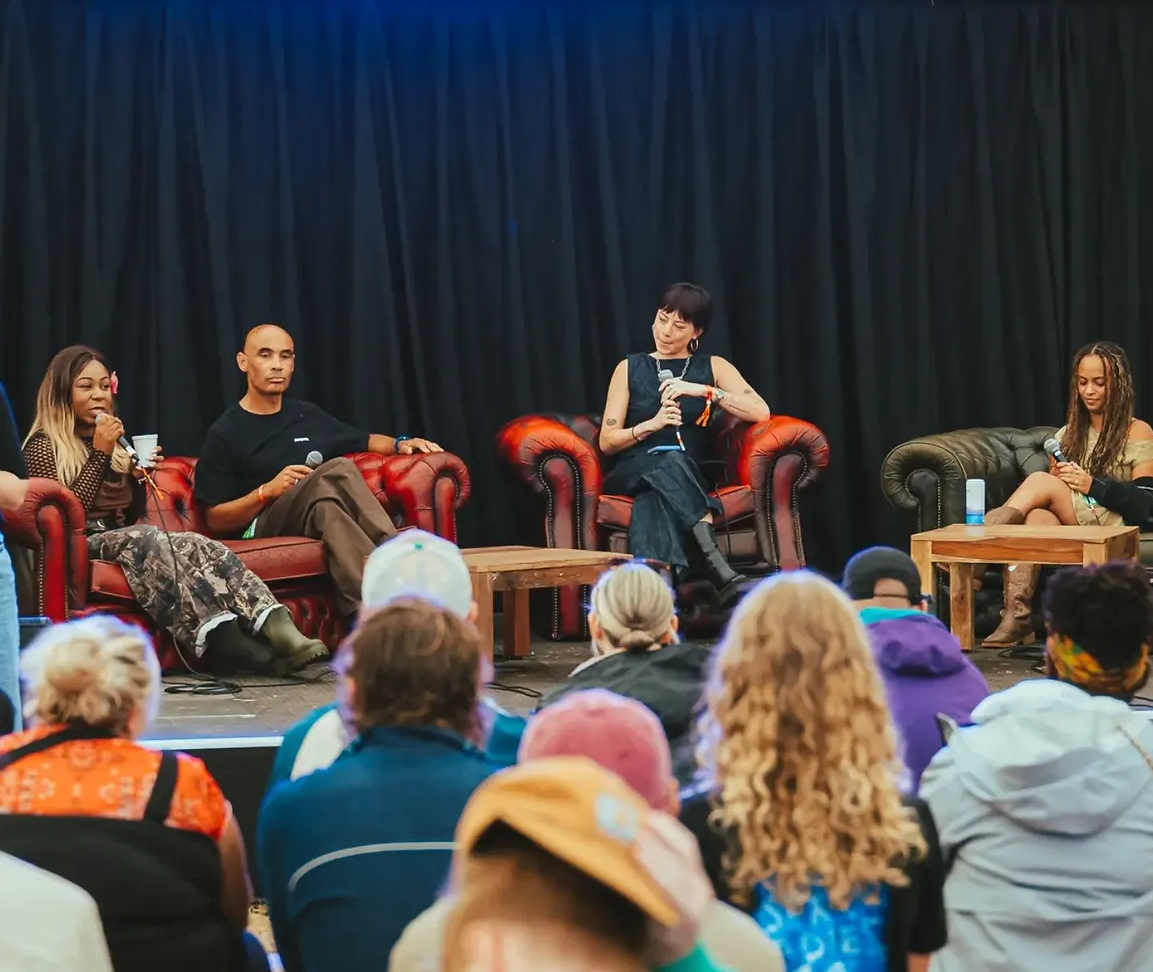
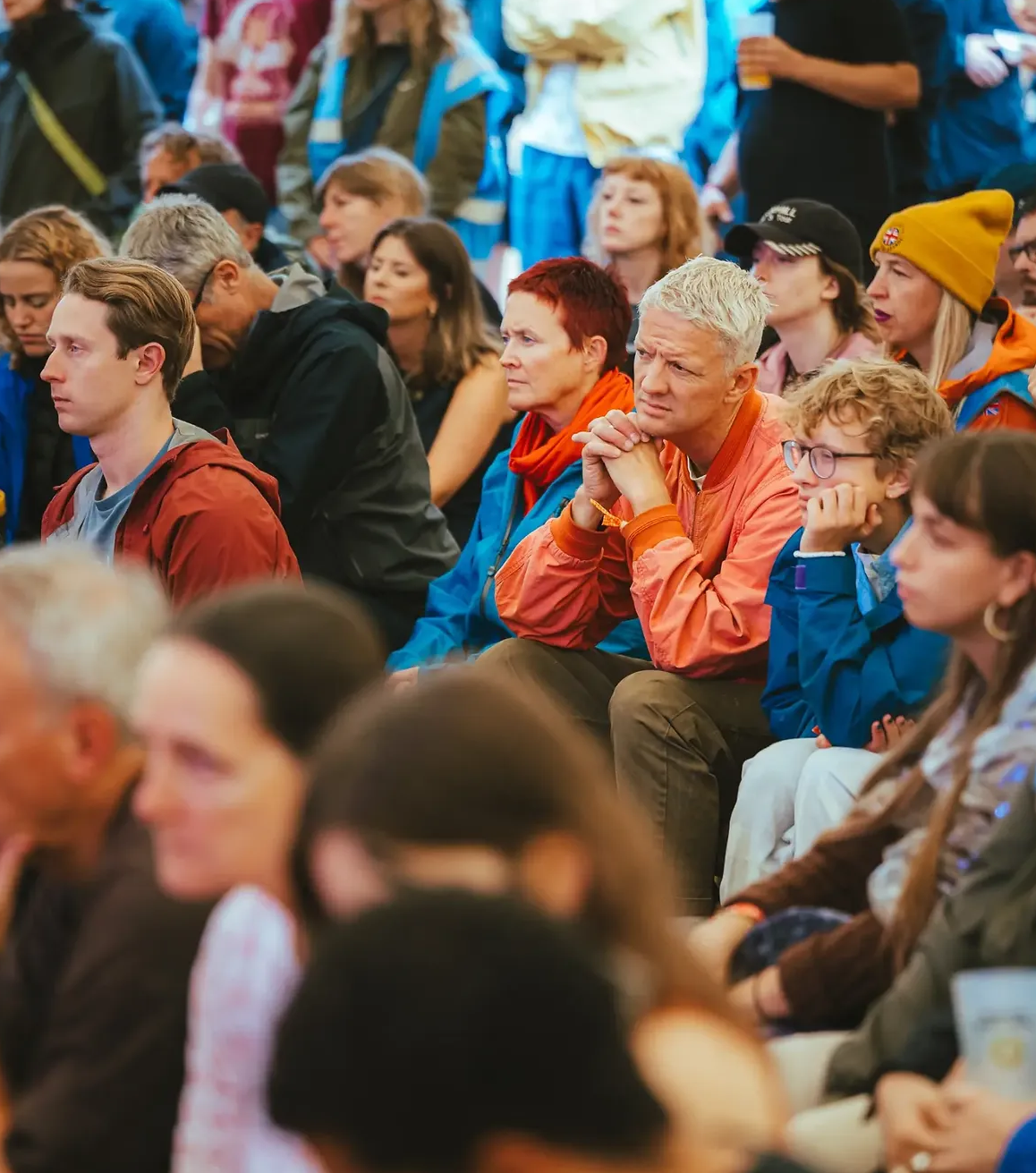
On August 29th, TCO's Head of Outdoors, Phil Young, joined Zack Polanski and others for a panel discussion hosted by climate activist and author Tori Tsui. From “conquering” summits to the colonial histories behind the names of landscapes, Young shared his thoughts on what our words reveal about who has traditionally belonged in the outdoors and how changing them might open spaces to more people.
"Bivouac" sounds like a word the outdoors created for itself. I was surprised to read that it's an 18th-century military word for a night watch, a patrol keeping guard against attack. It was borrowed and then owned by mountaineers and hikers, who rarely question the load of what they'd borrowed along with it.
It's a recurring trait in the language of the outdoors. A lot of it comes from somewhere else.
"Conquer." "Assault on the summit." "Push for the top." "Expedition." "First ascent." Much of the language of exploration borrows from the language of military campaigns: advance, attack, conquer, claim. It's often colonial language applied to land that was almost certainly already known, named and possibly occupied by someone else.
Everest isn't even the mountain's name. It's the name of a British surveyor, Sir George Everest, records of whom suggest he didn’t even see it. Apparently he objected to having his name attached to it at all, arguing it couldn't be written in Hindi or pronounced locally. He was overruled and his surname was written over the top of Chomolungma and Sagarmatha, names that were already there.
The same goes for the highest peak in North America. Denali had been named by the Athabaskan and Koyukon people for centuries before it was renamed Mount McKinley in 1896, in honour of a president who never stepped foot in Alaska. In 2015 the US government restored the name Denali. In 2025, president Trump ordered federal agencies to use Mount McKinley again. Thankfully in Alaska, and in the minds of millions, it remains Denali.
None of this is an accident. Much of it was written this way by institutions. The Alpine Club, founded in 1857 for wealthy gentlemen explorers, had strong ideas about what the outdoors was for before deciding who it was for. Human dominance over nature. British dominance over everything. Achievement first, anything else, including who got to belong there, second.
Vocabulary is important, but fixing the vocabulary and hoping things will change isn't the answer. That just feels like a rebrand, a new language wrapped around the same troubling core.
The real language, the stuff that truly matters, is sensual, evocative, poetic. Words and phrases that open the door and give you a glimpse of what's waiting beyond. Prose by Nan Shepherd and Alexis Pauline Gumbs where the natural world places us within it, rather than above it.
"Summer on the high plateau can be delectable as honey... a roaring scourge."
Nan Shepherd, The Living Mountain
The words do matter. But people don't go back for the words alone. I think the true understanding of a word comes from physical contact. It always has.
Try explaining drizzle to a local of the Arabian Peninsula. You can describe it, define it, find a synonym, but none of it will quite do the job. Come to the UK in November for a while and suddenly the word has weight. Language does the important work when it holds hands with the land or the sea itself.
A "misery blanket" in skiing. The "invisible ribbon" in trail running. Once experienced, they are never forgotten.
That's what makes "bivouac" interesting. It survives not just because of our western love of military language, but because people lived through it. A night or two outdoors, 'on watch', and the word starts to mean something real. Real in a way that no one needs to explain once they've done it. It also feels nice on the lips, go on, try it.
Most of the language of the outdoors wasn't given to us this way though. It was handed down by people who wrote the rules as orders from a desk or a smoky clubhouse. Language that described an outdoors they wanted to control, organise and achieve in.
But the best words aren't like that. They come from people being outside long enough to notice something, feel something, needing a language for something that didn't quite have one yet.
The world doesn't need a better glossary. It needs more people getting the contact that makes the words possible in the first place. Because that's how belonging works too. You don't learn it from an inherited definition. You experience it. Then it's yours to keep forever.
For more information on FORWARDS Bristol, visit their website here.



Unit 2H, Zetland House,
109-123 Clifton Street,
London, EC2A 4LD
hello@tcolondon.com
©TCO London 2026
Newsletter sign up
TCO Sustainability
Job Opportunities
Twitter
Instagram